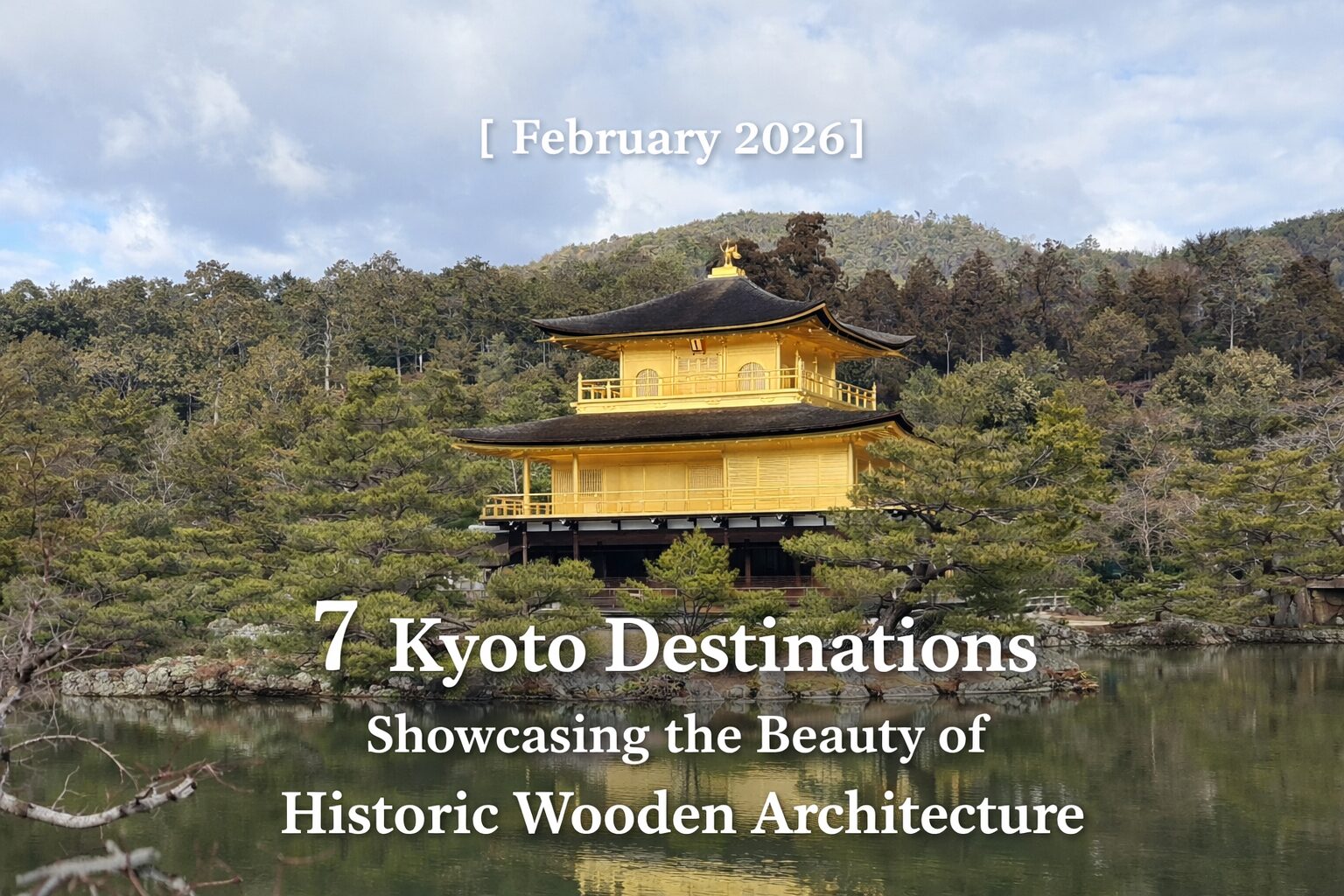
Kyoto is a city where time feels layered rather than linear.
On this trip, instead of rushing through as many sights as possible, I chose to spend real time at each place—walking slowly, observing details, and experiencing the atmosphere as it unfolded.
Here are seven destinations where Kyoto’s historic wooden architecture and cultural depth can truly be felt.
- Yasaka Shrine|Experiencing Setsubun and Gagaku
- Entoku-in Temple|A Quiet Pause in the Final Residence of Nene
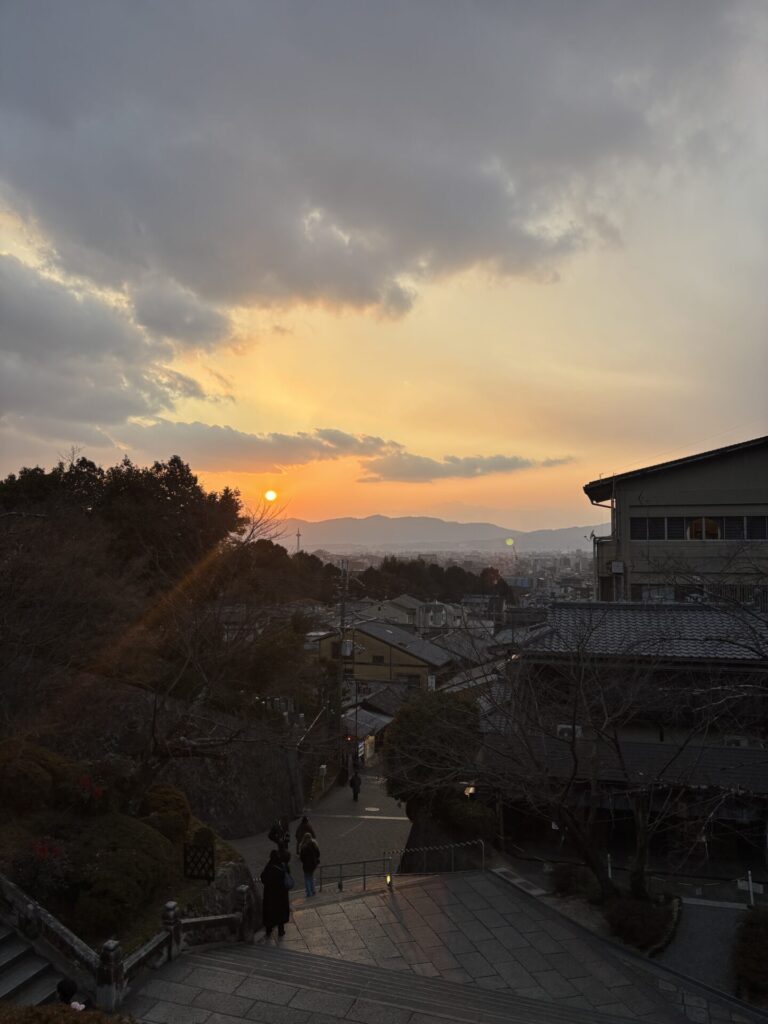
- Kiyomizu-dera Temple|Standing on the Famous Wooden Stage
- Kinkaku-ji|Golden Reflections and Architectural Balance
- Arashiyama|Walking Through Nature and History
- Fushimi Inari Taisha|Walking Through Thousands of Torii Gates
- Byodo-in Phoenix Hall|A Millennium of Balance and Craftsmanship
Yasaka Shrine|Experiencing Setsubun and Gagaku
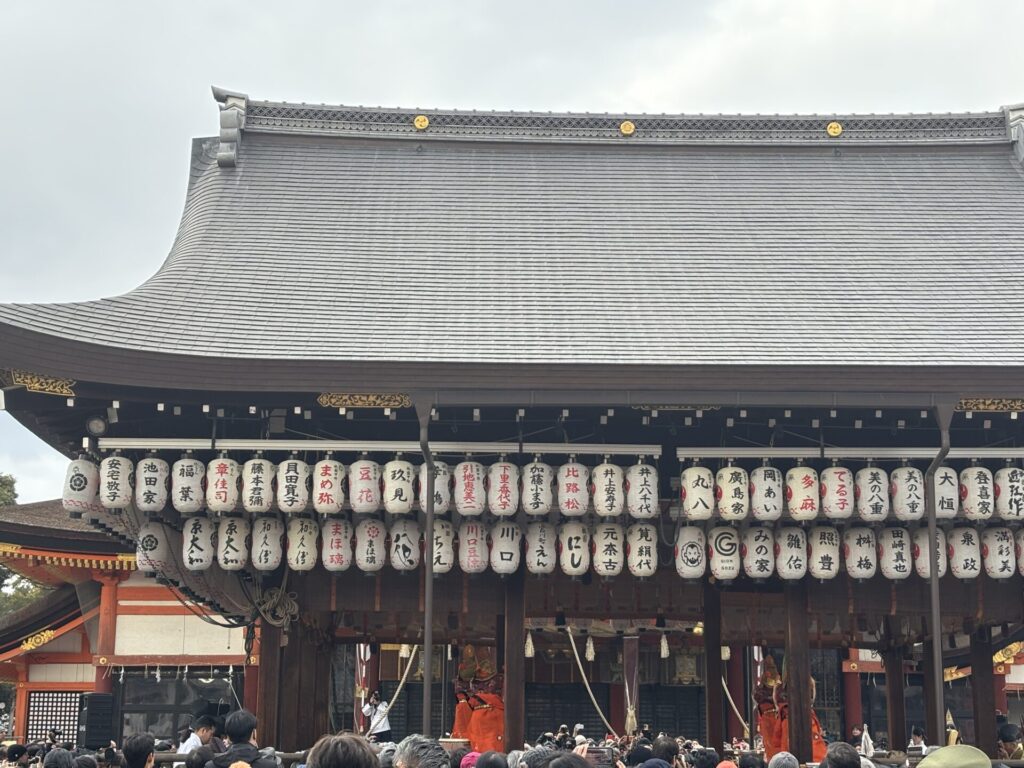
Traditional Gagaku Music and Dance at the Setsubun Festival
My journey began at Yasaka Shrine, where I happened to visit during the Setsubun festival.
I was able to watch a performance by the Gion Gagaku Association, featuring traditional court music and ceremonial dance.
The slow rhythms and elegant movements created a timeless atmosphere, completely different from everyday life.
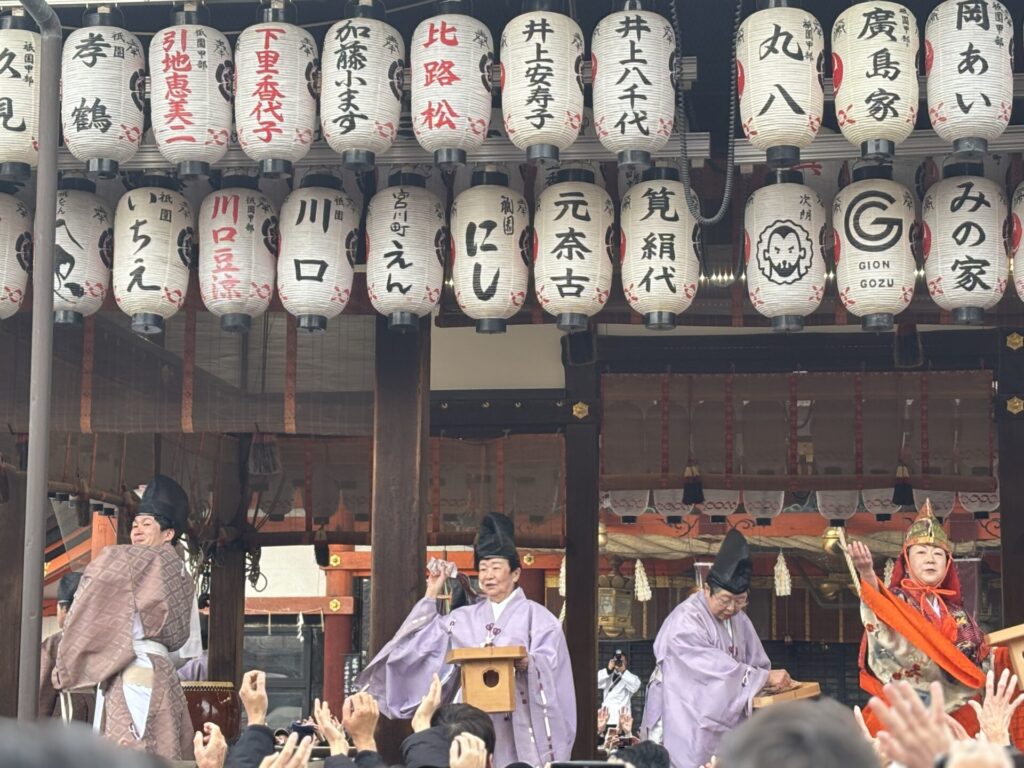
The Energy of the Bean-Throwing Ceremony
After the performance, the bean-throwing ceremony took place. The shrine grounds were filled with excitement, though standing toward the back meant I didn’t manage to catch any lucky beans. Still, witnessing a seasonal ritual added a meaningful start to the trip.
Yasaka Shrine as a Living Cultural Space
Beyond being a famous tourist destination, Yasaka Shrine revealed itself as a place where traditions are still actively lived and celebrated.
Entoku-in Temple|A Quiet Pause in the Final Residence of Nene
The Legacy of Nene, Wife of Toyotomi Hideyoshi
Entoku-in Temple is known as the place where Nene, the wife of Toyotomi Hideyoshi, spent her final years. Tucked away in the Higashiyama area, it offers a calm and reflective environment.
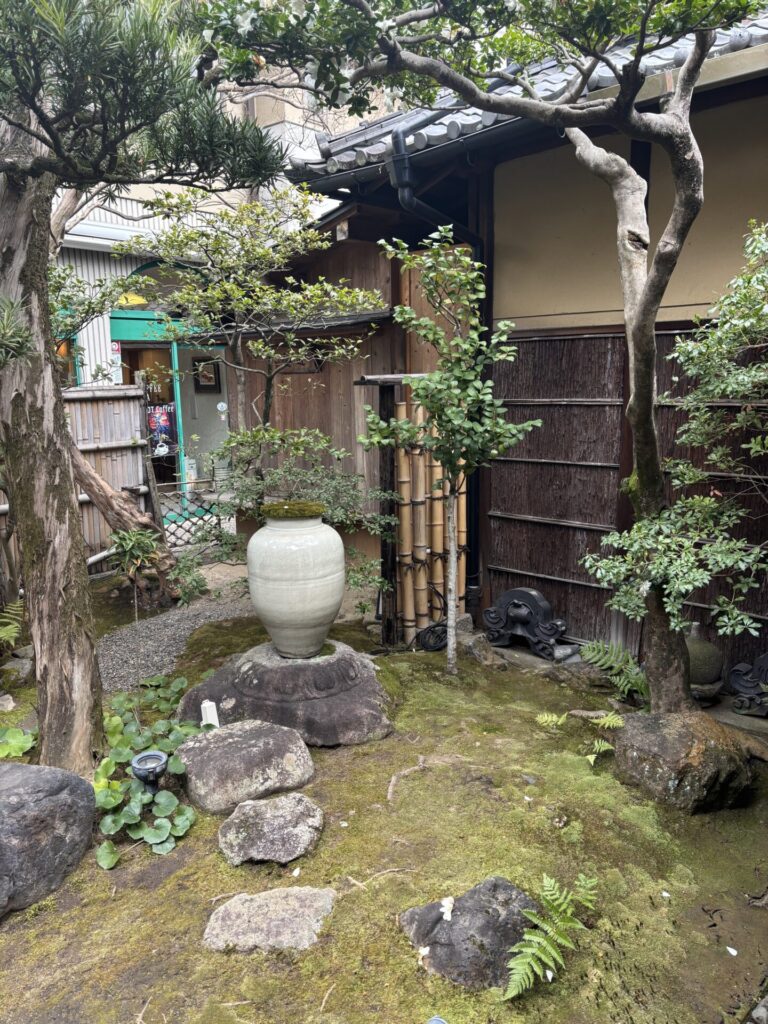
American Express Card Lounge Experience
The temple also serves as an American Express card lounge, allowing complimentary entry with card presentation—an unexpected but pleasant benefit for travelers.
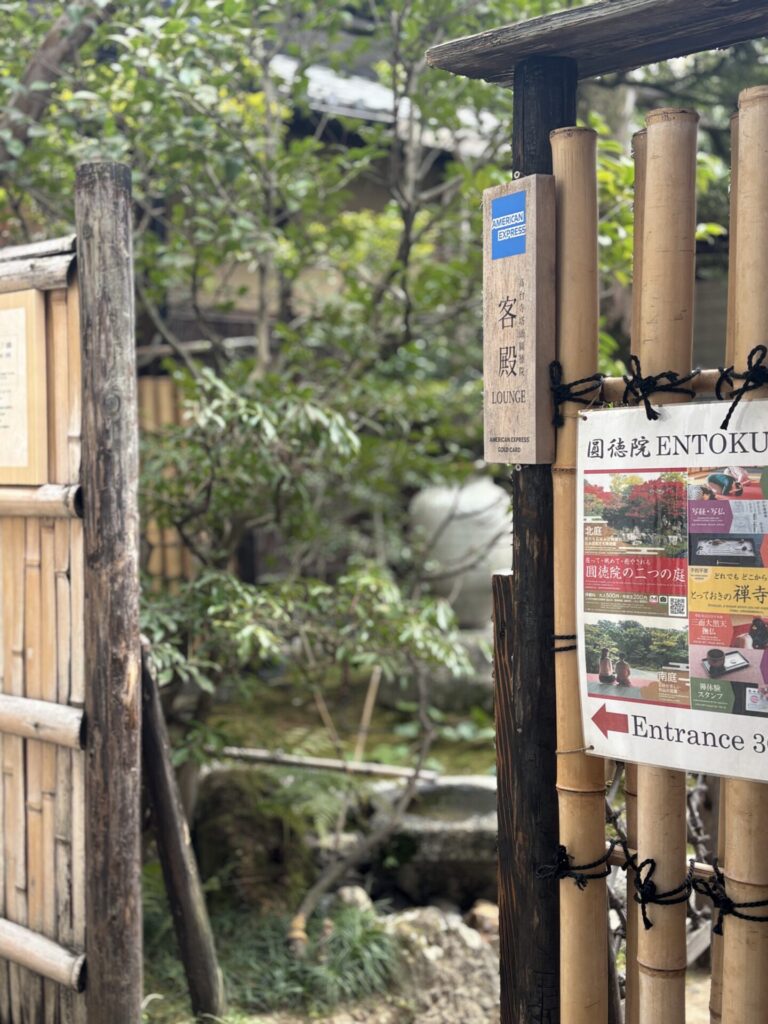
Warm Kelp Tea and the Northern Garden
After being served warm kombu tea,
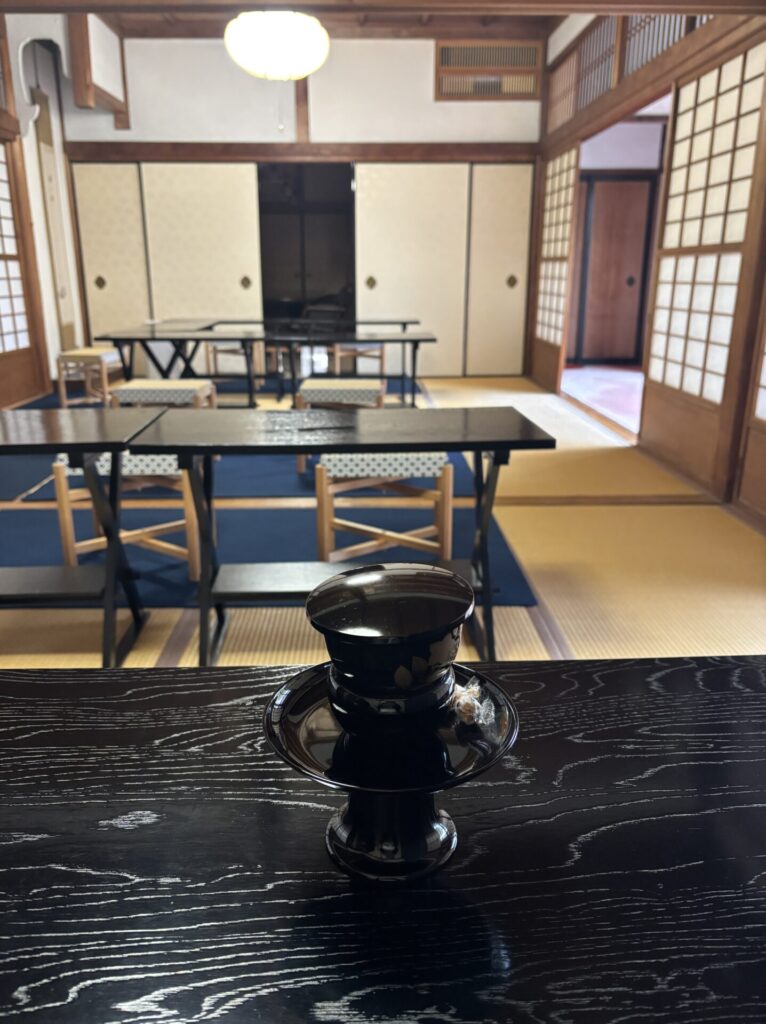
I moved to the Northern Garden. The garden is unusual for its generous use of massive boulders and large stones, creating a powerful and distinctive landscape.
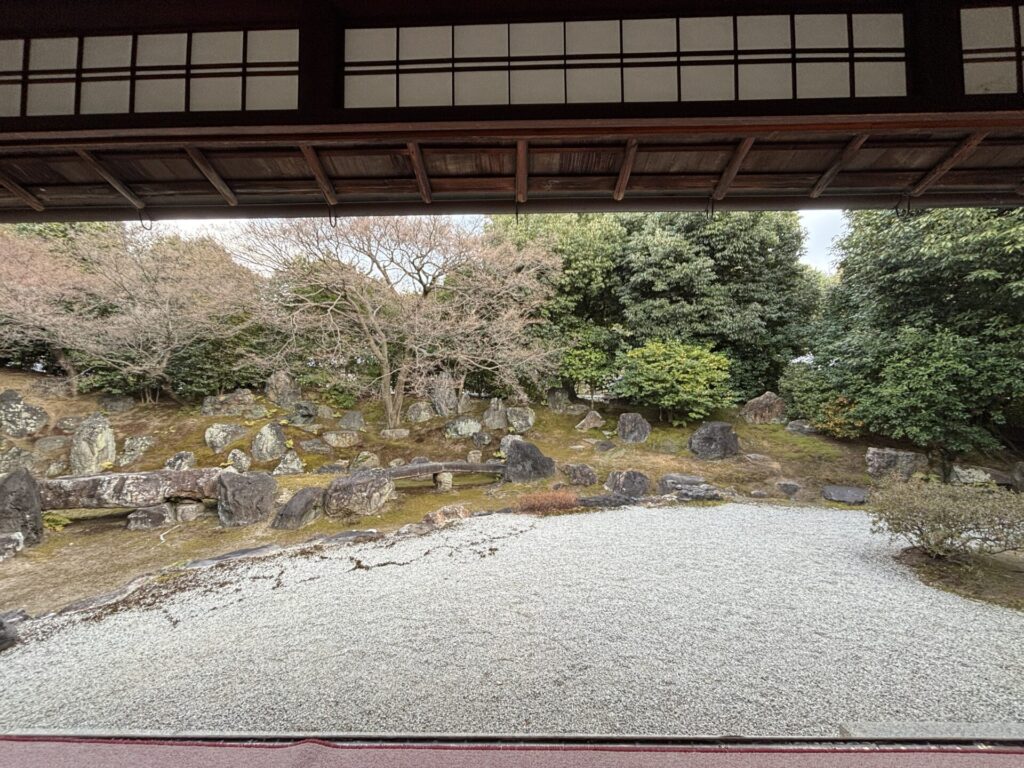
I couldn’t help imagining how breathtaking it would be if water filled the space, transforming it into an even more striking scene.
Shakyo (Sutra Copying) as a Meditative Experience
I also participated in a shakyo experience. Writing each character carefully required full concentration, creating a meditative moment that refreshed both mind and body.
Kiyomizu-dera Temple|Standing on the Famous Wooden Stage
Walking on the Kiyomizu Stage
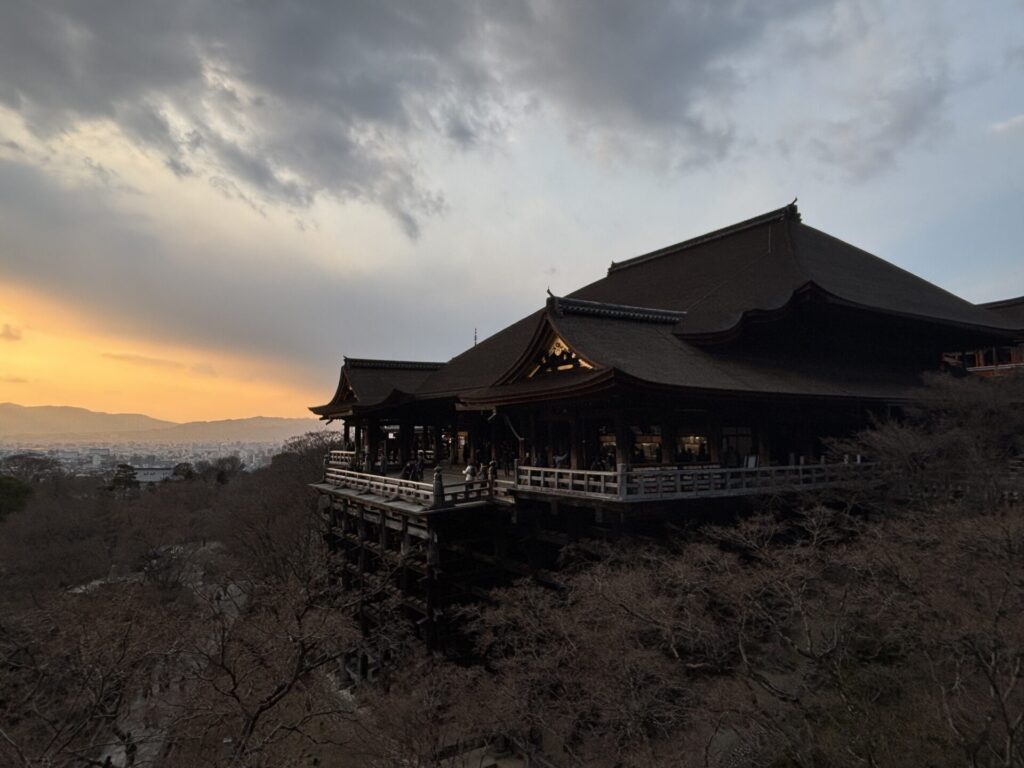
Kiyomizu-dera is famous for the phrase “to jump off the stage at Kiyomizu,” and standing on the actual wooden platform made its scale and craftsmanship deeply impressive.
Rows of Buddhist Statues Inside the Hall
Inside, rows of Buddhist statues created a solemn atmosphere, sharply contrasting with the lively surroundings outside.
The Resonance of the Temple Bell
Visitors can ring the temple bell, and hearing its sound echo across the grounds left a lasting impression.
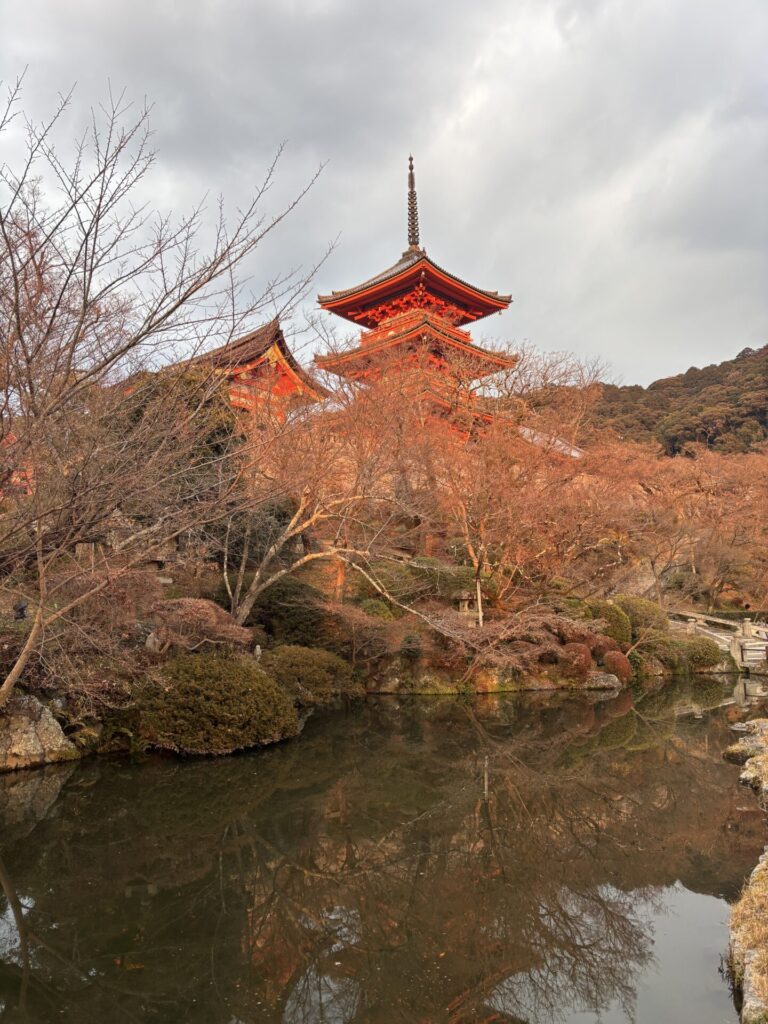
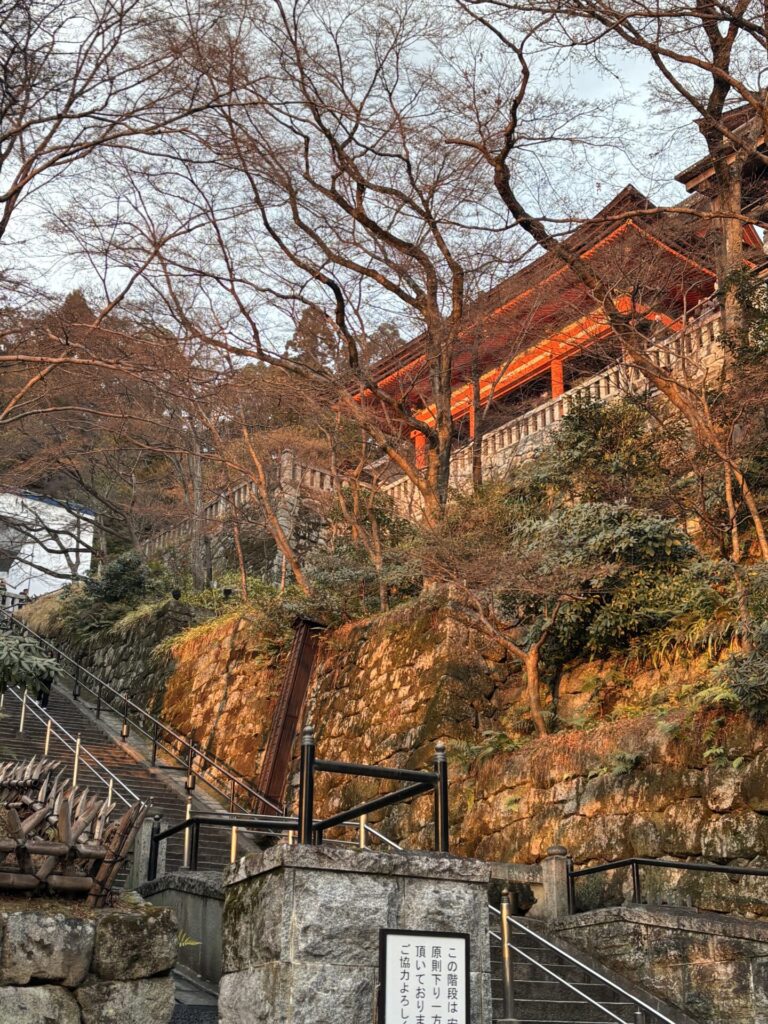
Kiyomizu-dera at Sunset
As the sun began to set, the temple was bathed in warm light, revealing yet another beautiful expression of this iconic site.
Kinkaku-ji|Golden Reflections and Architectural Balance
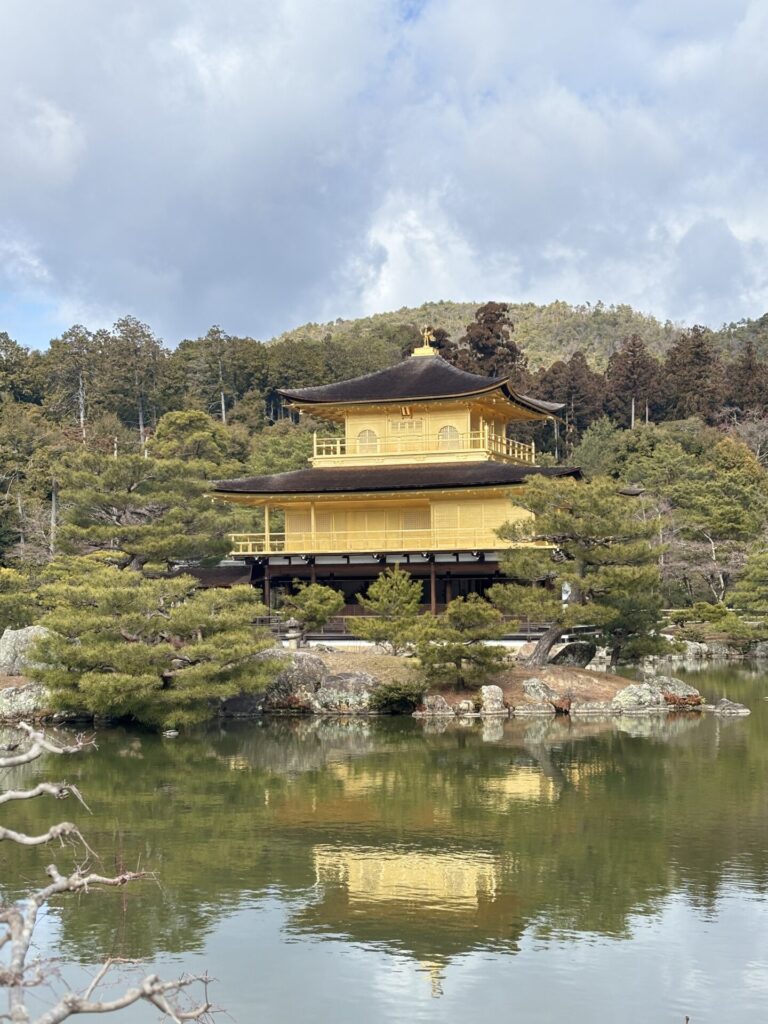
A Stunning Golden Pavilion Reflected on Water
The Golden Pavilion reflecting off the pond was nothing short of breathtaking. Seeing it in person far exceeded expectations shaped by photographs.
The Phoenix and Perfect Architectural Balance
The phoenix perched atop the roof and the carefully calculated proportions of the building highlighted the refined beauty of traditional Japanese architecture.
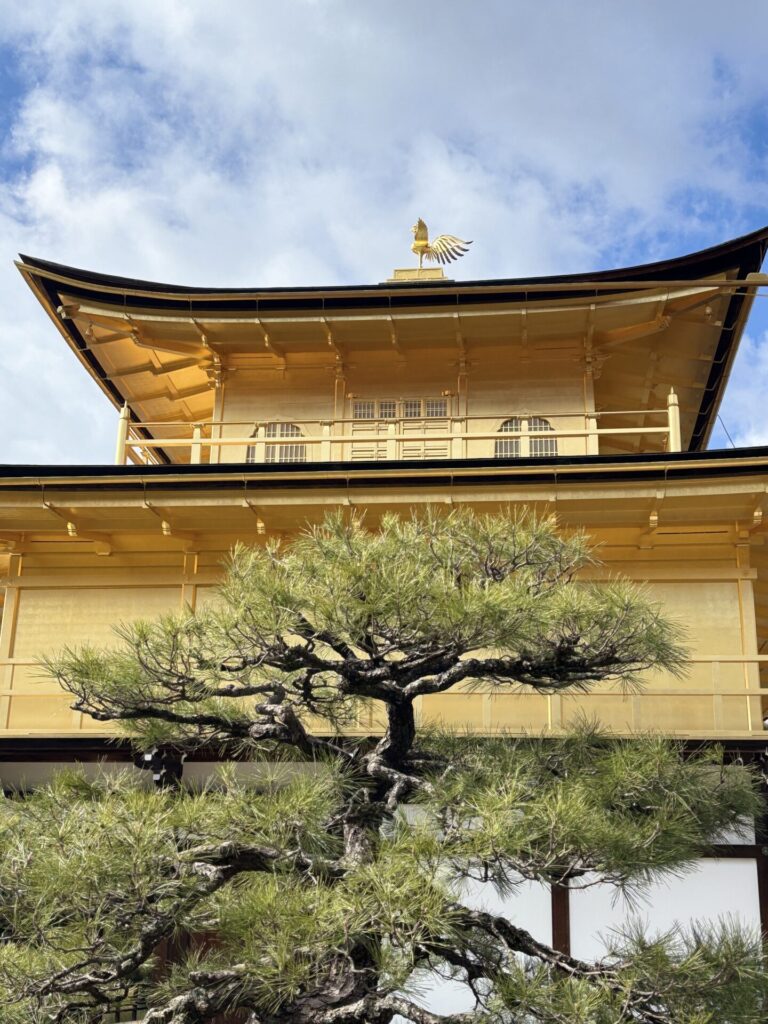
Admiring from the Outside
Although visitors cannot enter the pavilion, its exterior presence alone is powerful and unforgettable.
Arashiyama|Walking Through Nature and History
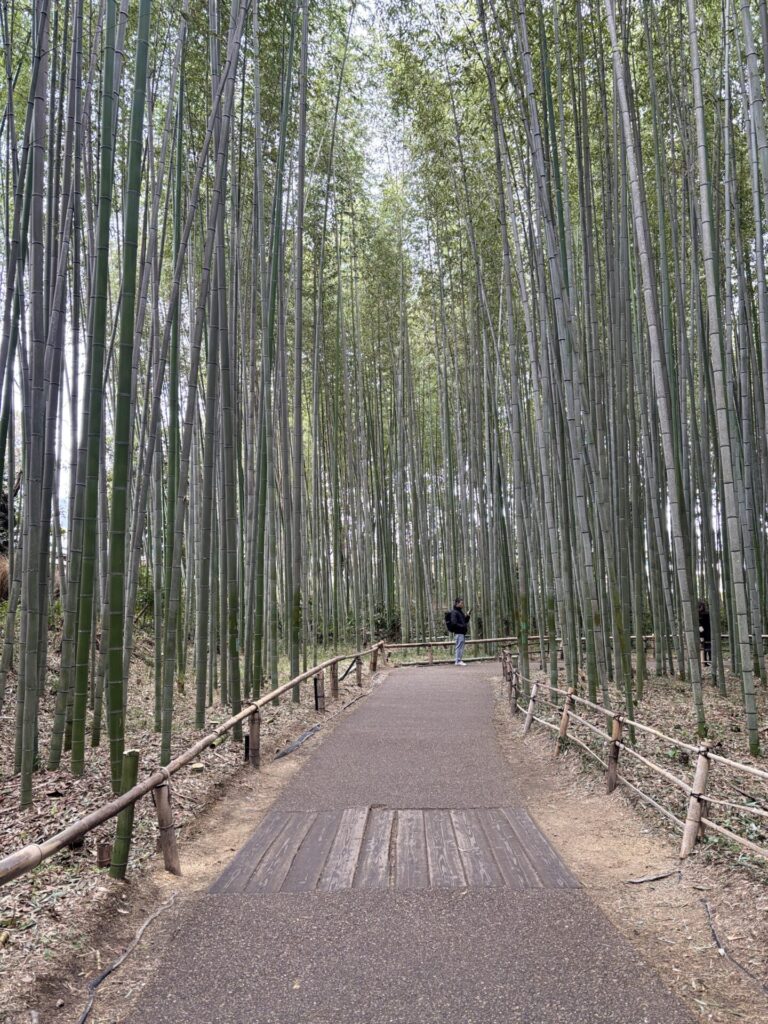
A Stroll Through the Endless Bamboo Grove
In Arashiyama, I wandered through the bamboo forest, where towering stalks stretch endlessly upward, creating a tranquil yet otherworldly experience.
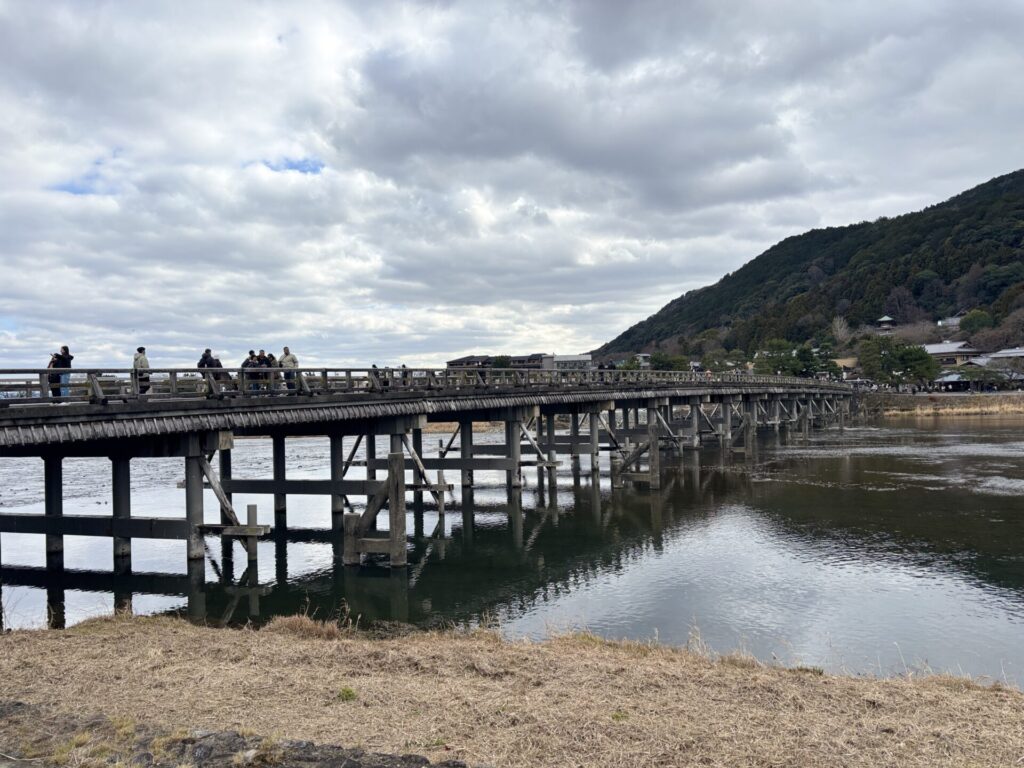
Togetsukyo Bridge: Over a Thousand Years of History
I crossed Togetsukyo Bridge, which has existed for over a thousand years. Though now reinforced with modern concrete construction, it remains an elegant symbol of the area.
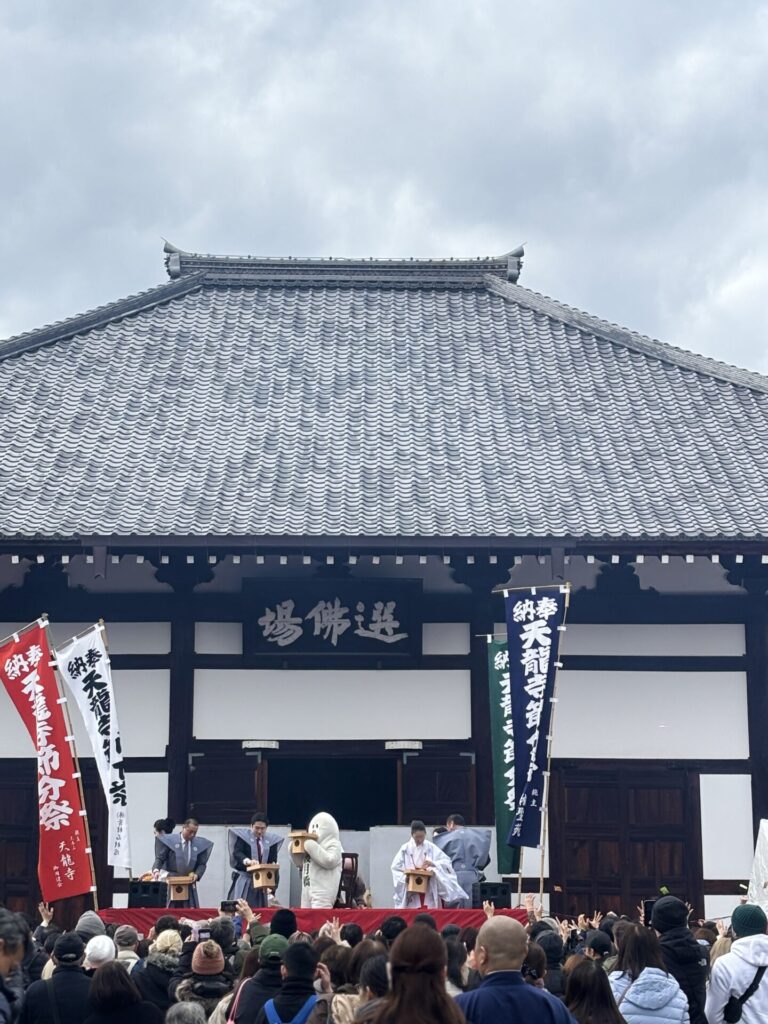
Setsubun Festival at Tenryu-ji Temple
At nearby Tenryu-ji Temple, a Setsubun festival was also taking place. I received lucky beans and enjoyed offerings of celebratory sake and sweet amazake.
Fushimi Inari Taisha|Walking Through Thousands of Torii Gates
Torii Gates Inscribed with Company Names
Fushimi Inari Taisha is known for its thousands of torii gates, each inscribed with the name of the donor and the date of dedication. Many business owners visit in January and February to pray for prosperity.
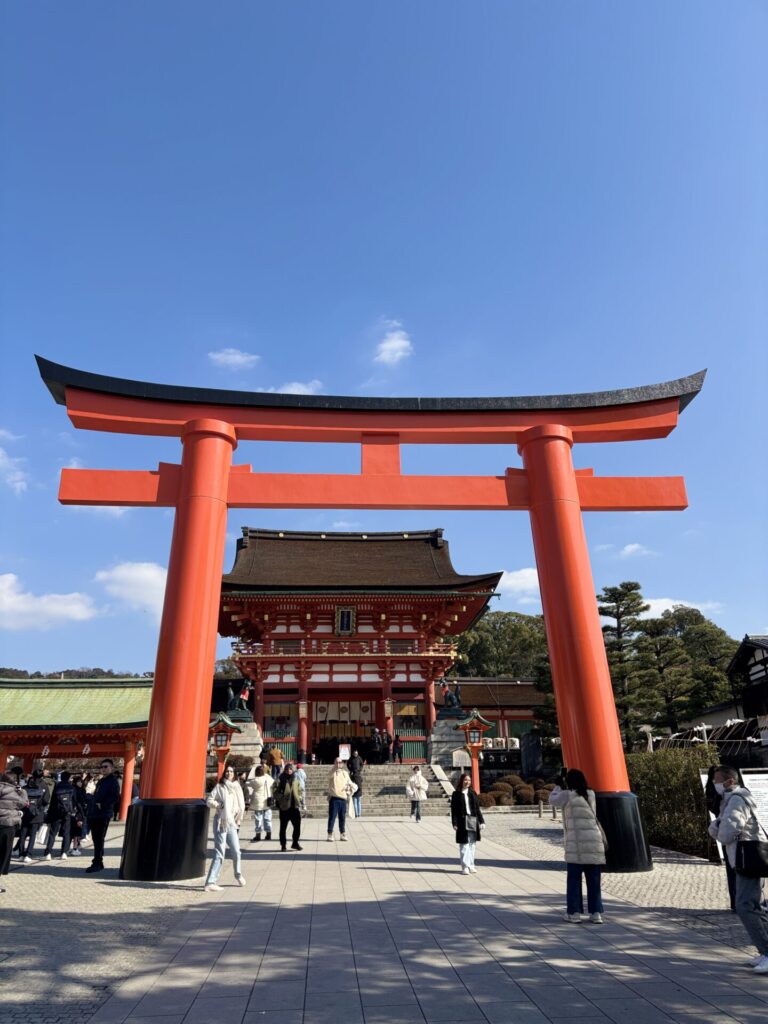
Ever-Increasing Gates and a Mountain Trail
With each donation, more gates are added—said to number around 10,000 today. Walking the path feels almost like a mountain hike.
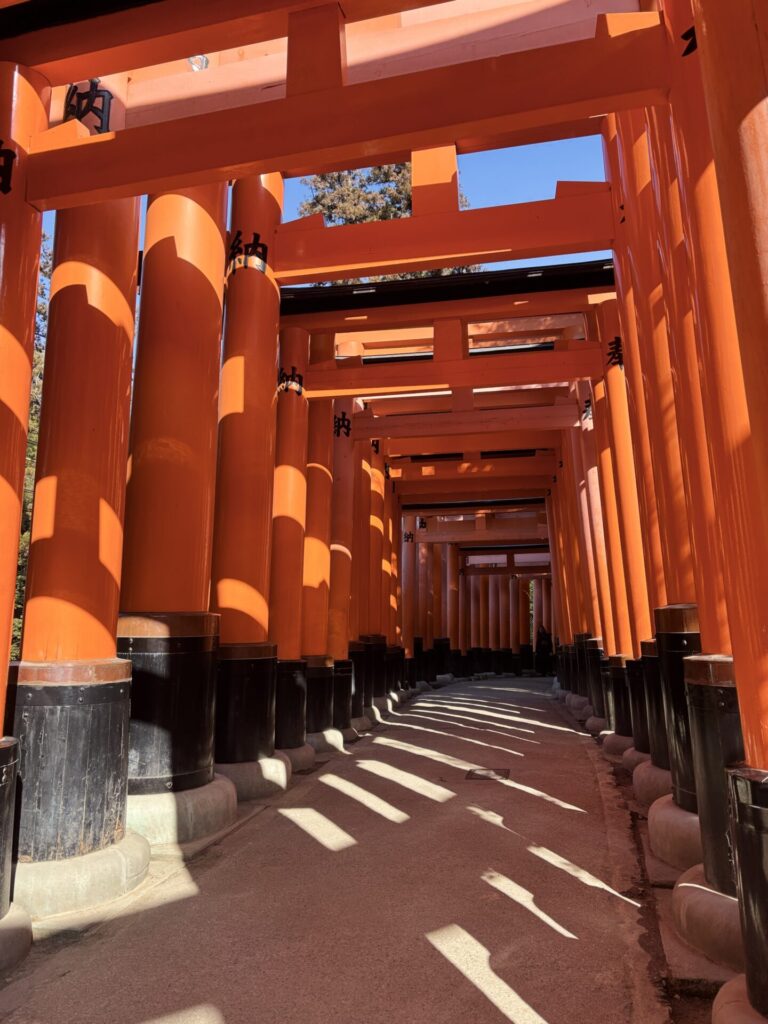
t’s less crowded at night, but locals say that sudden noises can be quite startling and even a bit scary.
Detours to Bamboo Paths and Kobo Falls
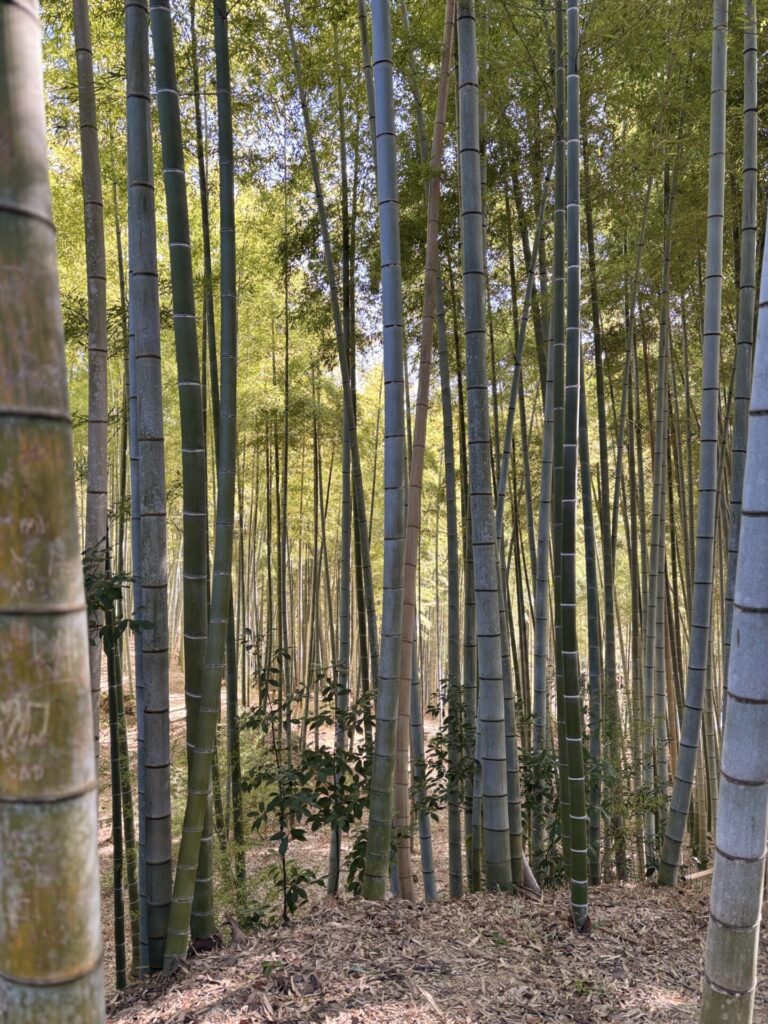
I took a short detour along a bamboo-lined side path leading to Kobo Falls, offering a quieter alternative to the main route.
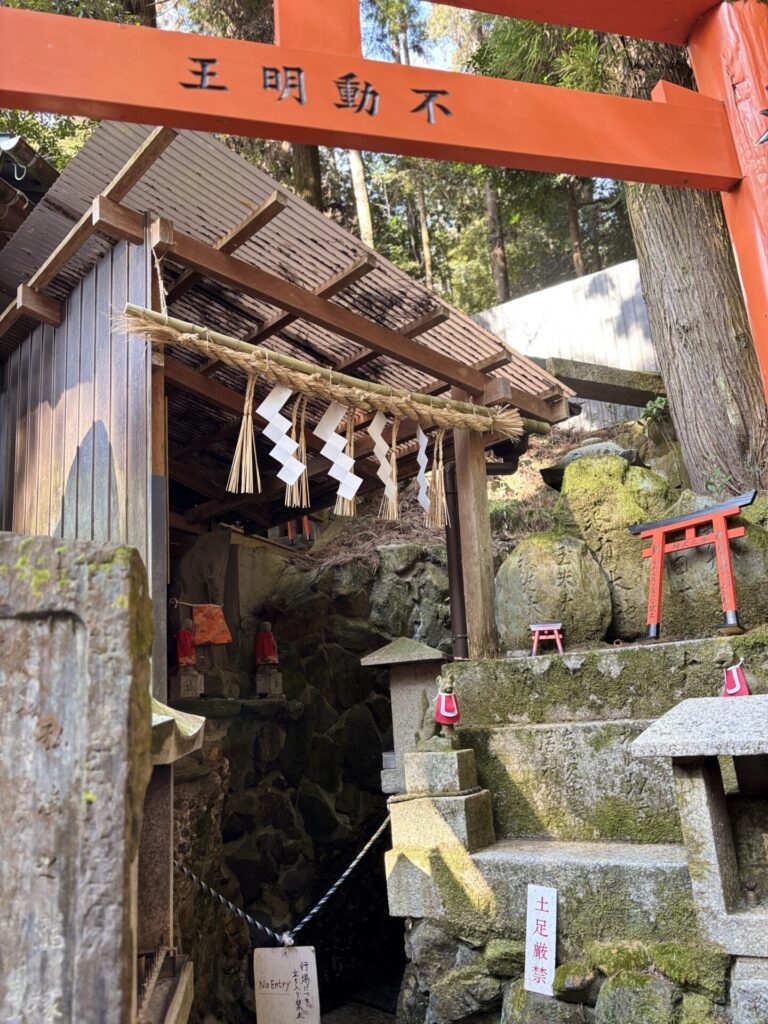
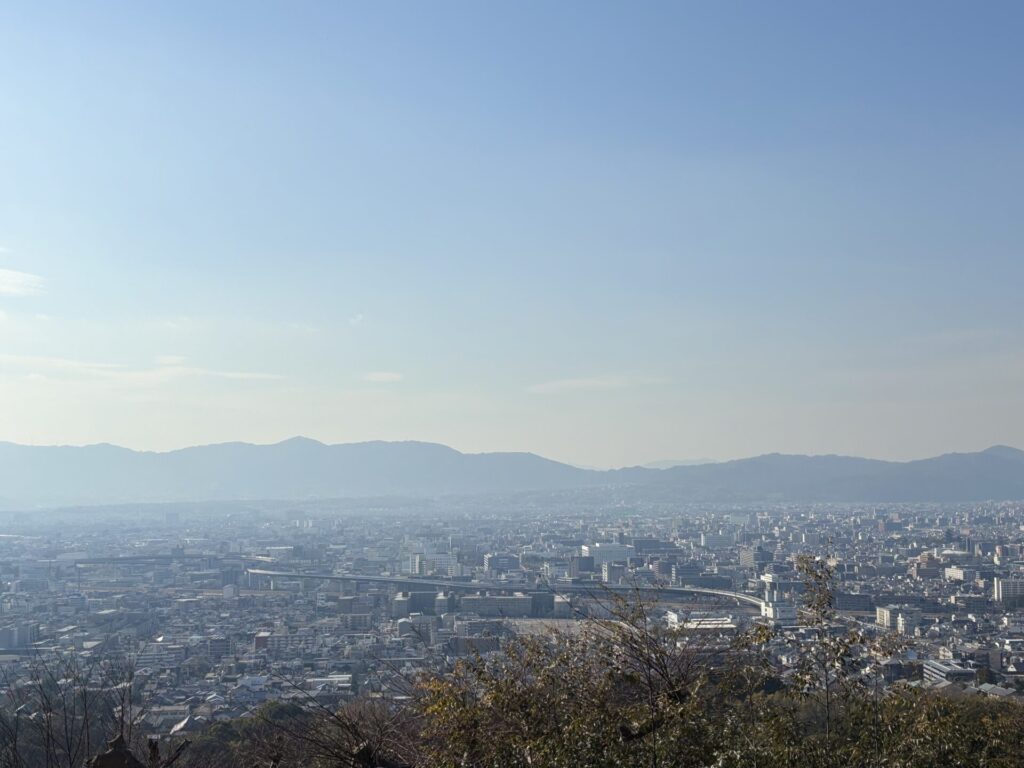
Turning Back at Yotsutsuji Viewpoint
Rather than reaching the summit, I turned back at the Yotsutsuji viewpoint.
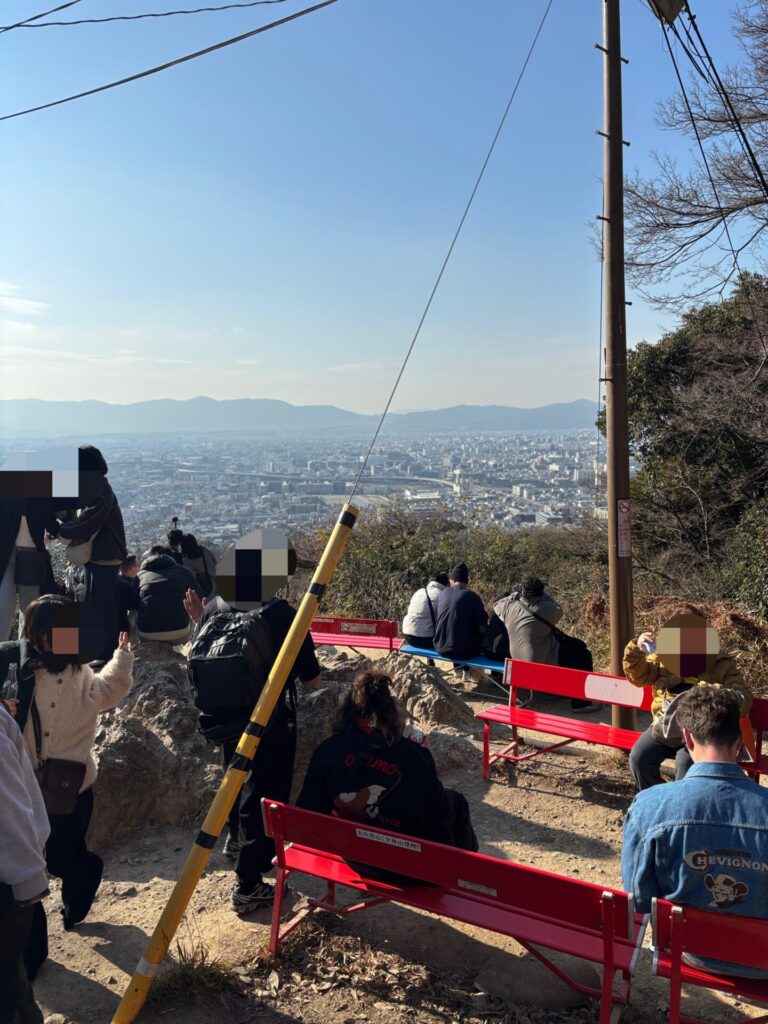
Even during a relatively quiet season, the area was lively with international visitors. I was especially surprised to see some people navigating the steep steps in kimono and traditional footwear.
Byodo-in Phoenix Hall|A Millennium of Balance and Craftsmanship
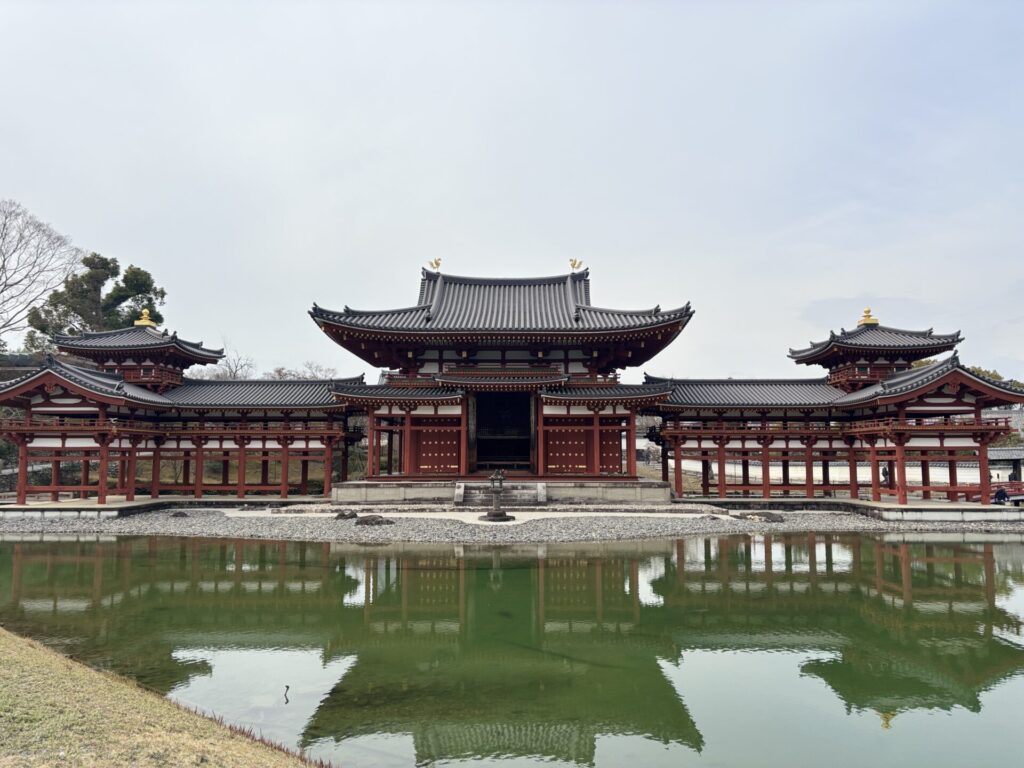
The Iconic Image on the 10-Yen Coin
Byodo-in’s Phoenix Hall, depicted on the back of Japan’s 10-yen coin, was established nearly 1,000 years ago and remains a symbol of classical Japanese architecture.
Entering the Phoenix Hall
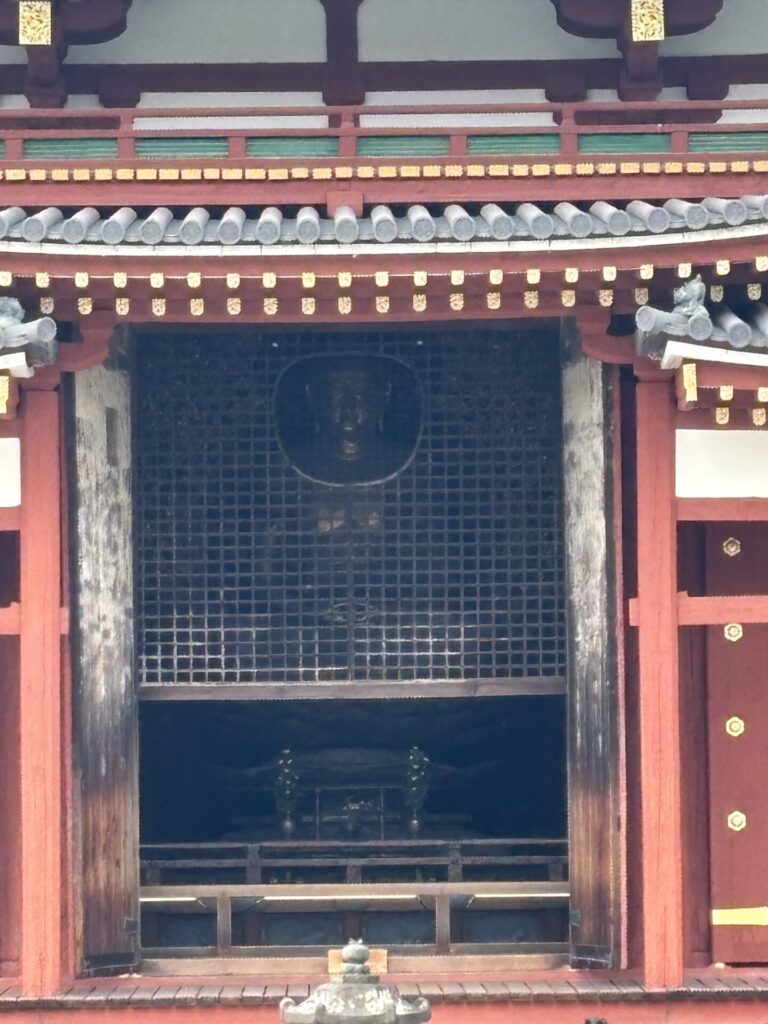
Inside, I could closely observe the World Heritage–listed wooden pillars and the seated Amida Buddha statue, gaining a deeper appreciation for the craftsmanship.
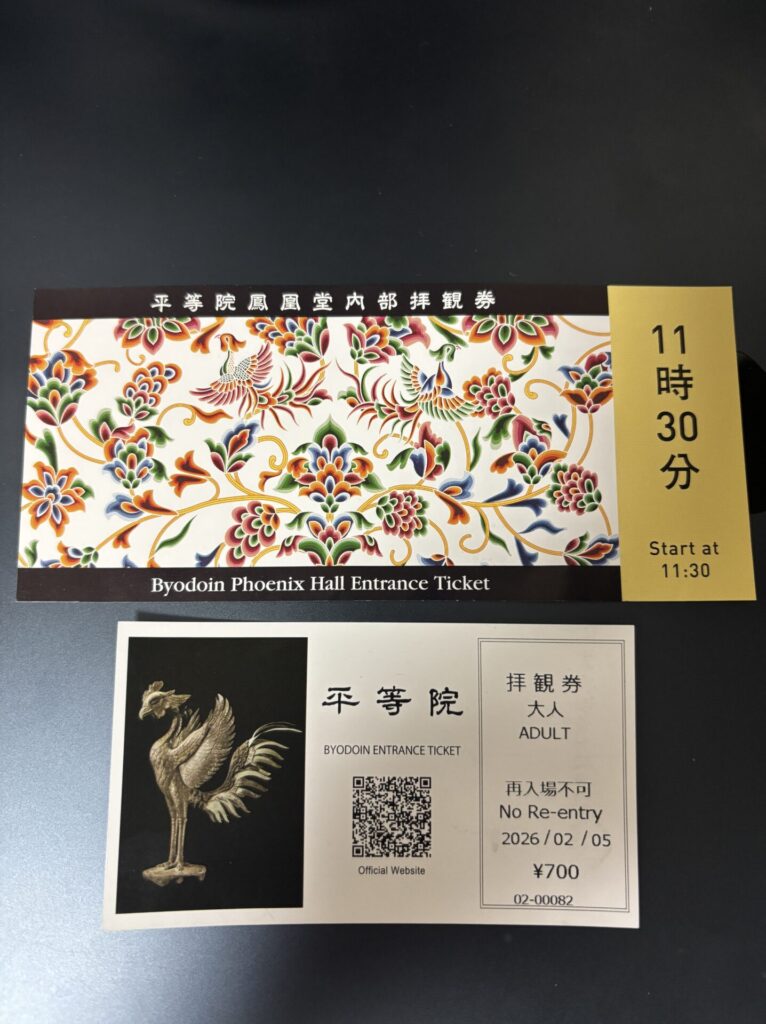
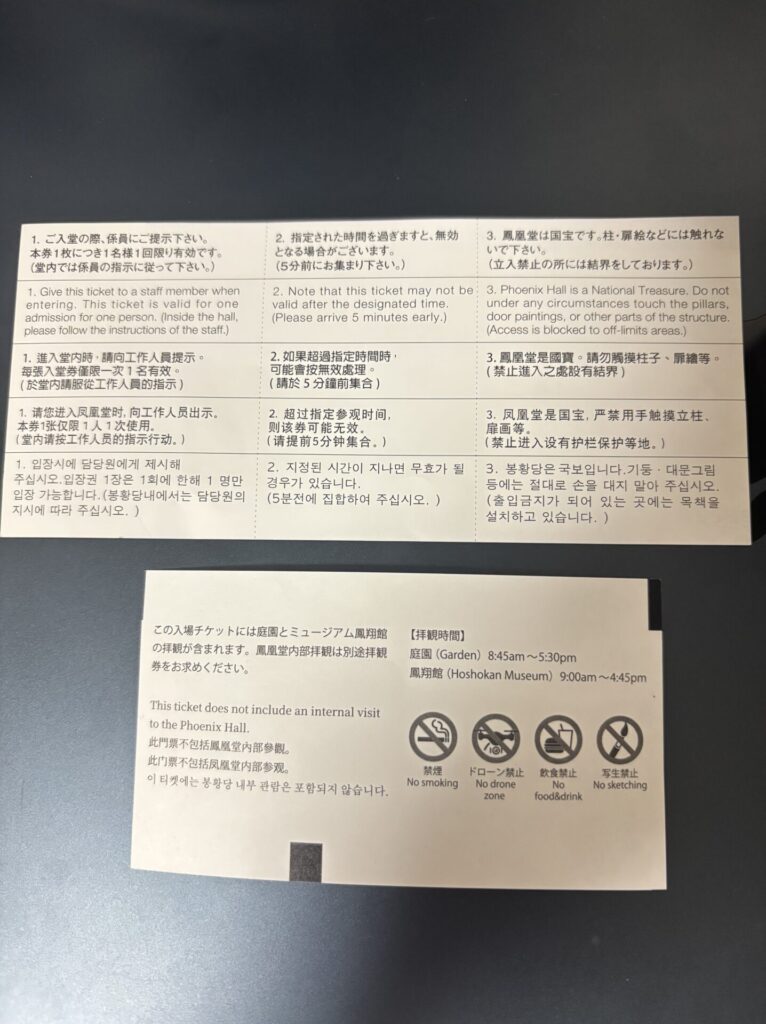
Visiting the Museum First
Viewing the adjacent museum before entering the hall made it easier to notice and understand the architectural details.
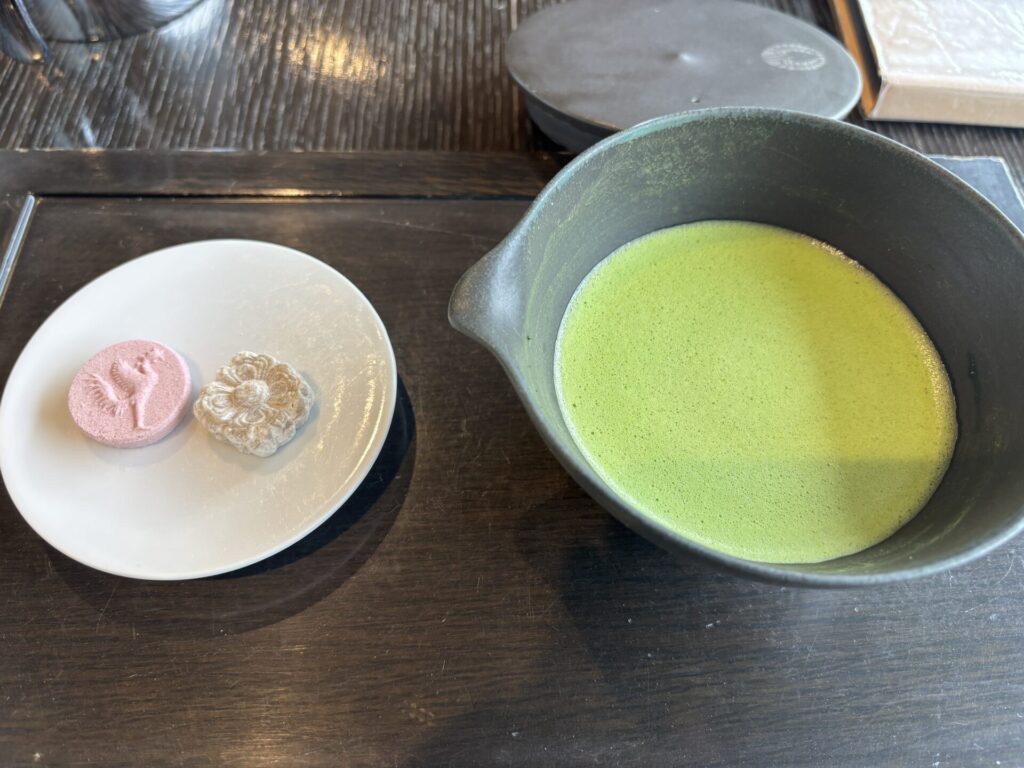
Enjoying Uji Tea
At the nearby tea salon, I slowly enjoyed Uji tea prepared by a certified Japanese tea instructor—an ideal way to conclude the visit.
Conclusion|Taking Time to Truly Experience Kyoto
By slowing down and spending time at each destination, I was able to experience Kyoto beyond surface-level sightseeing.
These historic wooden structures are not just buildings to admire, but places where time, culture, and craftsmanship quietly continue to exist.
The weather was so pleasant that I found myself wanting to walk everywhere.
Walking allowed me to notice far more details along the way.
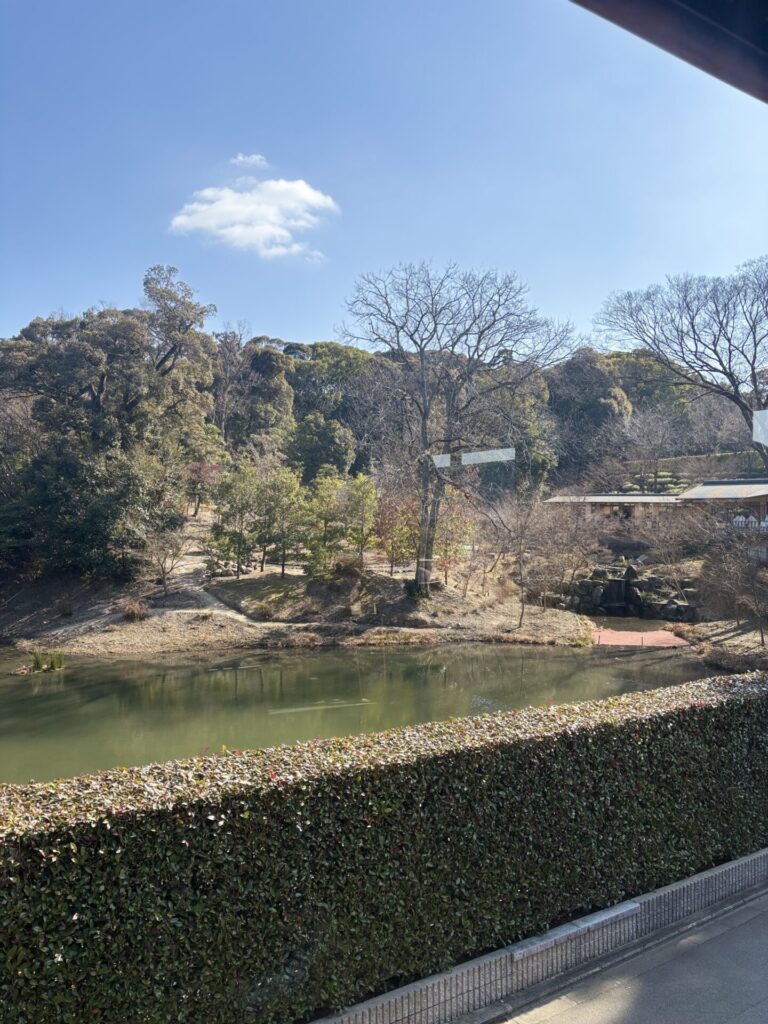
Seeing landscapes that have remained unchanged for over a thousand years is deeply moving.
I also felt a quiet sense of gratitude toward the many people whose continuous care and dedication allow these beautiful places to be preserved so thoughtfully today.


コメント